

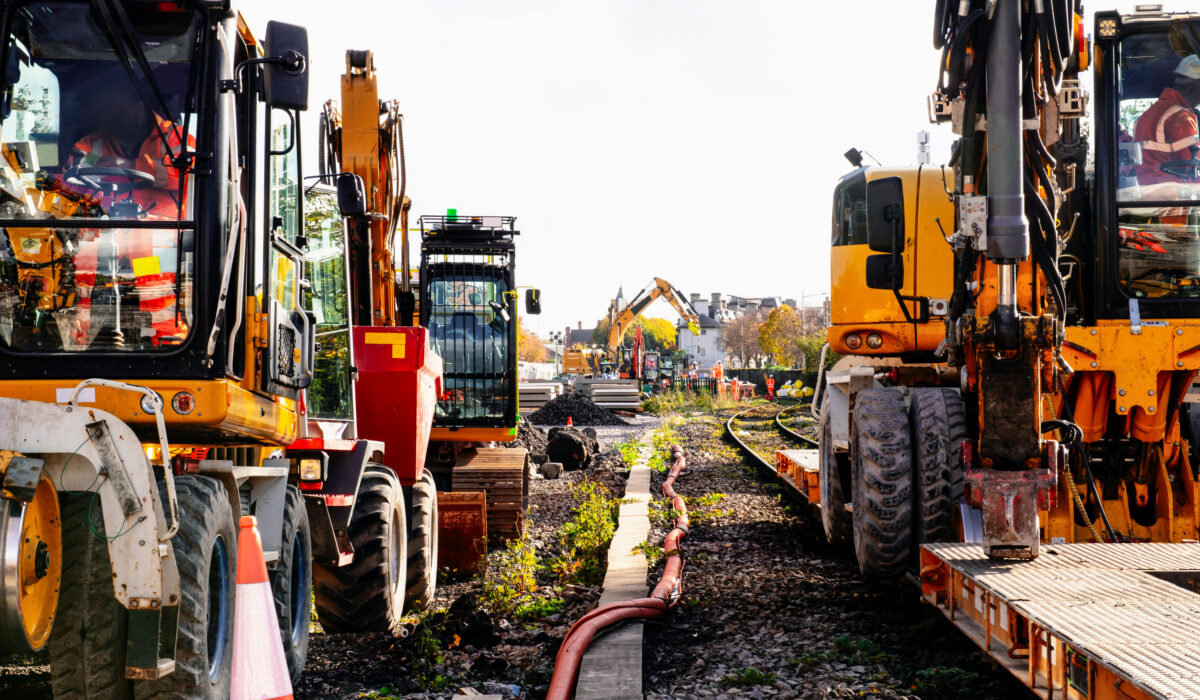
The Construction Company’s Q4 Playbook: Financing Equipment Before Fall Projects Begin
Give Customers a Better Way to Buy Equipment
Key Takeaways
- August is a good time to review fall and Q4 projects and determine whether your current equipment can handle the workload.
- Planning equipment purchases early gives businesses more time to make sure the right equipment is ready when the job starts.
- Financing equipment can help preserve cash for payroll, materials, fuel, and other operational expenses.
- Starting the financing process now, before fall projects begin, can help avoid rushed decisions when schedules get tight.
August can feel like the thick of the summer for construction companies, but fall isn’t far away.
For contractors with work scheduled for September, October, and beyond, this is an important planning month. Upcoming projects may require another excavator, skid steer, loader, dump truck, or other piece of equipment. Older machines may also be showing signs that they won’t make it through another busy stretch without repairs.
Financing equipment for fall projects earlier gives you time to evaluate what the business needs, how the cost fits alongside other expenses, and whether the equipment can be ready when the work begins.
Start With the Work Already on Your Calendar
Before looking at equipment, look at the projects ahead.
What jobs are already under contract? Which bids are still outstanding? Now is the time to consider whether schedules could overlap and whether your existing fleet has enough capacity to support that work.
A machine may be adequate when it’s moving from one project to another. The equation changes when two jobs need the same excavator or skid steer at the same time.
That can leave you renting equipment or shifting schedules. Those conflicts are worth identifying before the fall schedule gets crowded.
If your workload is likely to stretch your fleet, construction equipment financing can provide another way to acquire what you need while spreading the cost over time.
Look at What Your Equipment Has Been Telling You
Summer workloads can reveal which machines are becoming liabilities.
Maybe a skid steer has spent more time in the shop than usual, or an older dump truck has become less reliable when you need it.
Look at repair history and equipment availability. If breakdowns are becoming more common or lost time is affecting projects, another repair may only delay a larger decision.
That doesn’t mean every older machine needs to be replaced. This is a good point to decide which equipment you’re comfortable relying on through Q4 and which pieces deserve a closer look.
Our guide to equipment financing for construction businesses provides more information about funding equipment used across the construction industry.
Protect Cash for the Other Costs of the Job
Equipment is only one project expense. Construction businesses also need cash for payroll, materials, fuel, and the inevitable unexpected costs.
Buying a major piece of equipment outright can take a large amount of cash out of the business just as those other costs are coming due.
That’s one reason contractors consider heavy equipment financing instead of paying the full purchase price upfront. Financing can spread the cost over time while keeping more cash available for project expenses and day-to-day operations.
The goal isn’t simply to acquire a machine. It’s to make sure the business still has the resources needed to keep the rest of the project moving.
Don’t Let an Equipment Decision Become an Emergency
There’s a big difference between planning for a machine you know you’ll need before a fall project starts and looking for a replacement because equipment stopped working yesterday.
Urgency changes the decision.
You may have fewer machines to choose from or feel pressure to accept an option simply because it’s available. The financing decision can become rushed, too.
Starting earlier gives you time to identify the equipment that fits the work ahead and understand your funding options before there’s a problem.
If a loader, excavator, crane, or truck is necessary for an upcoming job, the goal is to have the equipment and financing lined up before the crew needs it.
For businesses comparing equipment loans for construction companies, contractor equipment financing, and other funding options, it helps to understand the financing structure before a project deadline is driving the conversation.
Blue Bridge’s Equipment Finance Agreements provide one option for businesses looking to finance qualifying equipment purchases.
Think Beyond the Next Project
A fall project may create the immediate need for equipment, but it shouldn’t be the only consideration.
Can the equipment move to another project when the current job ends? Is it something you expect to use regularly over the next several years?
Those questions can help distinguish between equipment that solves a short-term problem and an asset that could continue supporting the business.
A specialized machine needed for one short project is a different decision than equipment you expect to use job after job. The right decision depends on your workload and expected use.
Use August to Get Ahead of Q4
By the time Q4 arrives, many construction businesses are focused on finishing current projects while lining up the next round of work.
August gives you a chance to line those decisions up before Q4 gets crowded.
August is also a good time to make sure equipment planning lines up with the rest of your Q4 budget. If several projects are starting close together, knowing what equipment costs may be coming can help you plan around payroll, materials, and other operating needs before the calendar fills up.
Planning now gives you more control and can help make sure the equipment is ready when the project begins.
Construction Equipment Financing FAQ
When should contractors start financing equipment for fall projects?
Ideally, before the equipment becomes an immediate project need. Starting in August gives contractors more time to evaluate equipment and financing options before fall and Q4 work begins.
What types of construction equipment can be financed?
Construction businesses finance many types of equipment, including excavators, bulldozers, skid steers, cranes, dump trucks, loaders, and other machinery used on job sites.
Why finance construction equipment instead of paying cash?
Financing spreads the cost of equipment over time rather than using a large amount of cash at once. That can help preserve funds for payroll, materials, and other project expenses.
Can used construction equipment be financed?
Yes. Financing may be available for qualifying used equipment as well as new equipment. Available options can depend on the equipment and the financing provider.
Should I wait until I win a project before looking at equipment financing?
Not necessarily. If a potential project will require equipment you don’t currently have, exploring your options early can help you prepare before the project starts.
Get Your Equipment Plan in Place Before Fall
Fall projects can come with tight schedules and little room for equipment problems. If your upcoming workload requires another machine, or it’s time to replace equipment you can no longer count on, August is a good time to start planning.
Have the equipment you need ready when the work begins without putting unnecessary pressure on the cash the rest of the project requires.
Ready to prepare for fall? Apply for equipment financing for your construction business today or contact Blue Bridge Financial to discuss funding before your next project begins.