Thanks to Section 179 of the IRS tax code, upgrading equipment may cost less than you think. Rather than taking a depreciation tax deduction over a number of years, you can deduct the full cost of qualifying equipment the year you buy it and put it into service.
Thanks to Section 179 of the IRS tax code, upgrading equipment may cost less than you think. Rather than taking a depreciation tax deduction over a number of years, you can deduct the full cost of qualifying equipment the year you buy it and put it into service.
As with any tax rules, you should consult with your CPA or Tax Advisor to determine applicability to your specific equipment purchase and business situation.
Section 179 Savings Calculator
Estimate your 2026 tax savings on qualifying equipment.
$
Section 179 deduction$0
Bonus depreciation (100%)$0
Estimated tax savings$0
Net cost after tax savings$0
Estimate only, using the 2026 Section 179 limit of $2,560,000, which phases out dollar for dollar once purchases exceed $4,090,000. Equipment must be placed in service by December 31, 2026. The Section 179 deduction cannot exceed your business's taxable income. Excludes state taxes. Consult your CPA or tax advisor about your situation.
Dave Cashmore joined Blue Bridge in early 2021 as a Credit Manager and swiftly advanced to his current role as Senior Director of Credit. Drawing on his extensive credit expertise and deep understanding of risk management, Dave leads the credit team in structuring, underwriting, and managing the company’s portfolio. He plays a key role in designing credit programs that support business growth while maintaining a strong and resilient portfolio. Dave works closely with both the portfolio and sales teams to ensure credit decisions align with Blue Bridge’s strategic objectives and risk appetite. He holds a bachelor’s degree in Actuarial Science and Mathematics from SUNY Albany.
Janessa Brown
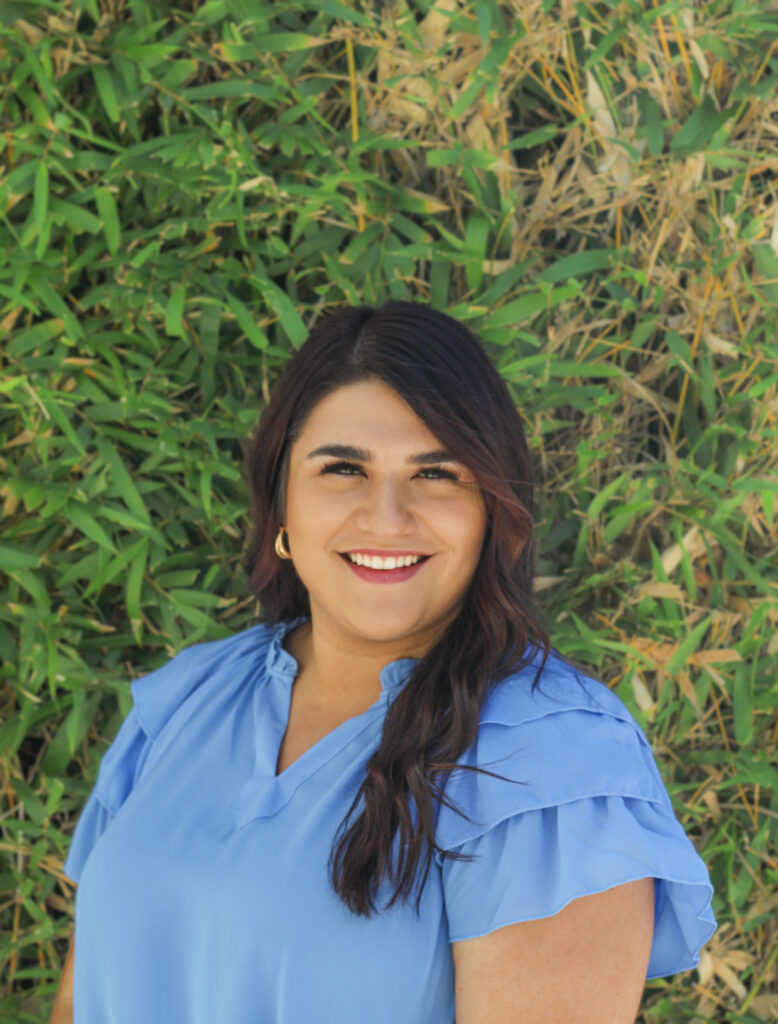
Janessa Brown joined Blue Bridge in September 2021 as a documentation specialist. Her commitment to efficiency and operational excellence led to her promotion to Senior Director of Broker Originations. In her current role, Janessa leads the broker originations team, overseeing relationships with brokers nationwide, driving the growth of broker-driven business, and continuously optimizing processes to improve performance and enhance service for our customers and partners.