
Buying at Auction? What to Know About Equipment Financing Before You Bid
Be Ready to Bid at Auction
Equipment auctions move fast by design. Prices climb quickly, decisions happen in seconds, and payment deadlines come just as fast. For business owners, contractors, and operators, that creates both opportunity and pressure. You might find the exact piece of equipment your operation needs at a strong price, but without a financing plan, that opportunity can slip away just as quickly as it appears.
That is why experienced buyers treat financing as part of the bid itself. If you want to compete with confidence, securing equipment financing before you bid is essential.
Why Financing Before You Bid Matters
In most auctions, winning bidders are required to complete payment within a very short window, often 24 to 72 hours. That timeline does not leave room to start exploring financing options after the fact.
Without a plan in place, you risk:
- Losing your deposit if funding falls through
- Missing the payment deadline
- Passing on equipment you need because financing cannot move fast enough
With financing lined up ahead of time, you can:
- Set a clear maximum bid
- Move quickly when you win
- Avoid overextending your cash flow
If you are new to the process or need a refresher, it helps to understand how equipment loans and structures work before stepping into an auction environment. Learn more about the fundamentals in our guide to equipment financing basics.
How Auction Equipment Financing Works
Auction purchases are different from traditional equipment deals. There is usually no drawn-out negotiation process, documentation on the asset may be limited and there is often very little time to close.
Because of this, lenders focus heavily on:
- Your business financials and credit profile
- The type, age and condition of the equipment
- The total loan amount relative to value
- How quickly funding needs to happen
That is where working with an equipment financing partner like Blue Bridge can help.
Depending on the equipment, transaction size, and buyer profile, financing may be structured as an equipment loan, equipment lease, or another term structure tailored to the purchase.
Lenders who specialize in used equipment financing are often better equipped to handle auction scenarios, especially when assets are older or lack complete records. For a deeper look at how financing works for pre-owned equipment, explore our guide.
Steps to Take Before the Auction
Walking into an auction without a plan puts you at a disadvantage. These steps can help you prepare.
Get Pre-Qualified or Pre-Approved
As we’ve discussed, this might be the most important step. Pre-qualification gives you a clear sense of what you can afford and how quickly financing can be finalized. It also positions you to act immediately when you win, which is critical in heavy equipment auction financing scenarios.
Set a Maximum Bid Based on Total Cost
The hammer price is only part of the equation. Make sure you account for:
- Buyer’s premiums
- Taxes
- Transportation
- Repairs or reconditioning
Your financing should align with the full cost, not just the winning bid.
Research Equipment Ahead of Time
Auction listings are often limited. Whenever possible:
- Review inspection reports
- Check maintenance history
- Compare market pricing
If you are weighing auction purchases against other options, it can be helpful to understand how they compare to private sales. This breakdown of private party equipment pros and cons provides helpful context.
Share Equipment Details with Your Lender
If you already know what you are planning to bid on, do not wait.
Share the equipment details with Blue Bridge before the auction so your financing can be reviewed, structured and ready to go if you win. Even basic information like make, model, year, and expected price range can speed up approval and funding.
This step can make the difference between securing the equipment and missing out due to delays.
Understand Funding Timelines
Not all lenders move at the same speed. In an auction environment, timing is everything.
Ask upfront:
- How quickly can funds be disbursed after approval?
- What documentation is required?
- Are there any conditions that could slow things down?
Working with a lender experienced in a business equipment loan for auction purchases can help reduce uncertainty.
What Can Slow Down Auction Financing
Even with preparation, certain factors can create delays. Knowing them in advance helps you plan around them.
- Limited Equipment Documentation: Older or heavily used equipment may lack clear records, making valuation more complex.
- Title or Ownership Issues: Unclear ownership history can complicate financing and delay closing.
- Tight Deadlines: Short payment windows leave little room for missing paperwork or slow approvals.
- Incomplete Borrower Information: Missing financials or incomplete applications can quickly stall the process.
How to Bid with Confidence
The goal is not just to win an auction. It is to win equipment that supports your business without creating unnecessary financial strain.
A few practical tips:
- Stick to your pre-set budget, even in competitive bidding
- Avoid emotional decisions in fast-paced environments
- Focus on revenue-generating equipment
- Have a backup plan if your first choice goes above budget
Financing can expand your options, but the smartest bids are still the ones grounded in a clear plan.
Types of Equipment Commonly Financed at Auction
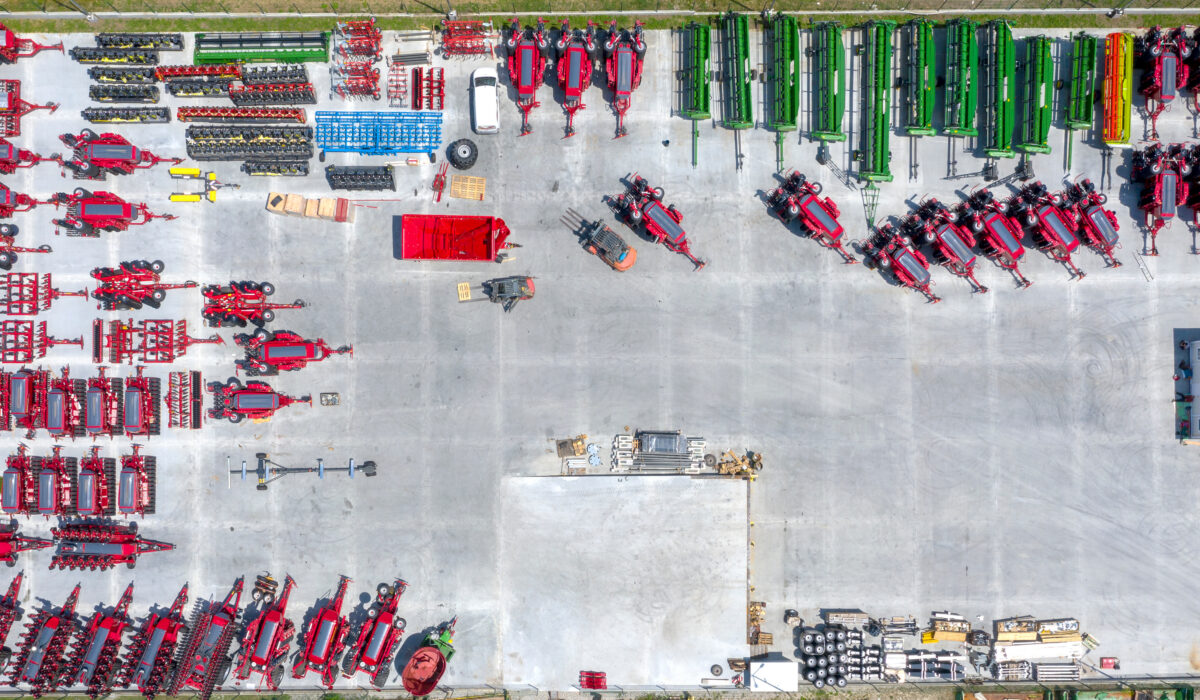
Auctions are a popular sourcing channel across industries. Common categories include:
- Construction equipment such as excavators and loaders
- Agricultural machinery like tractors and combines
- Trucks and trailers
- Manufacturing and processing equipment
Each category comes with different considerations, especially when it comes to age, condition, and resale value.
Benefits of Financing Auction Purchases
Financing plays a direct role in how an auction purchase fits into your overall business strategy. When structured correctly, it can give you more flexibility, protect your cash flow, and help you get more value out of the equipment you win.
- Preserve Cash Flow: Avoid tying up large amounts of capital in a single purchase.
- Access Better Equipment: Financing may allow you to bid on higher-quality assets.
- Align Costs with Revenue: Monthly payments can be structured around how the equipment generates income.
Glossary: Key Terms to Know
Before you step into an auction, it helps to understand the language behind the process. These key terms explain how pricing, approval, and funding work so you can move quickly and avoid surprises when it matters most.
- Auction Premium: A fee added to the final bid price, charged by the auction house.
- Pre-Qualification: An initial review that estimates how much financing you may qualify for.
- Loan-to-Value (LTV): The ratio of the loan amount to the equipment’s value.
- Used Equipment Financing: Financing designed specifically for pre-owned equipment.
- Funding Timeline: The time it takes to move from approval to disbursement.
Common Mistakes to Avoid
Even experienced buyers can run into issues at auctions. Watch for:
- Waiting until after the auction to arrange financing
- Underestimating total acquisition costs
- Skipping research or inspections
- Working with lenders unfamiliar with auction timelines
- Overbidding without a clear ROI
Avoiding these mistakes can protect both your time and your capital.

Be Ready Before the Auction Starts
Auction deadlines won’t wait for financing approvals. Buyers who are ready before bidding starts are usually in a better position to set a clear budget, move quickly after winning and avoid letting paperwork slow down the purchase.
If you are planning to bid on revenue-producing equipment at an upcoming auction, apply or get pre-qualified before the auction begins. If you already have a specific asset in mind, contact Blue Bridge with the equipment details so your financing plan can be aligned with your bidding strategy.
The auction may move fast. Your financing plan should be ready to move with it.